

Shade-loving Plants
Now that we are inching closer and closer to winter, many of you may think that gardening season is over, but that could not be further from the truth. In fact, we want to share our process for planting winter and shade-loving plants, and give you plenty of inspiration on the kinds of things you can plant to create a vibrant winter garden.
How to Grow Shade-loving Plants
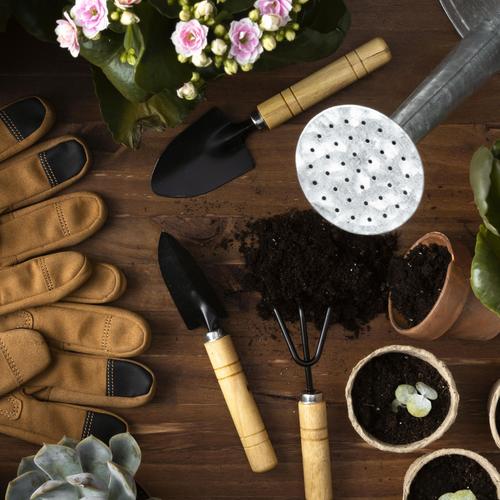
To ensure you have the best, most enriching environment for your plants, you need good quality soil. There are a few ways to go about this: you can either completely refurbish the area or add new soil. We recommend our Wessex® BS3882 10mm Soil or Wessex® Borders & Beds Topsoil for this type of garden project.
If you are happy with the soil you already have and just want to reinforce it further, you can replenish and rejuvenate it with some compost and mulch. Here at Stone Zone, we have two composts: the Peat-Free Multipurpose Compost and the Soil Improver Compost. Depending on what you want for your soil, both are an excellent choice. You can also add natural mulch to the plant bed, as this helps the soil regulate temperature and water retention.
The next step is to add wood ash to the plant bed to increase the amount of potash in it. This is important, as potash encourages plant growth for shade-loving plants. We suggest you do not skip this step, as you want to ensure your plants get all the nutrients they need to grow and thrive.
One more thing to do before you start planting is to take a garden fork and carefully poke holes through the soil. This makes sure the plant roots have space to spread within the soil.
Once that is done, you are ready to plant your shade-loving plants, and there are so many to choose from. You could go for something like the snake plant if you are looking for lush green foliage, wax begonias for some pops of colour in your garden, or a bird of paradise for something a little more extravagant. The list is endless!
Please remember to add roughly 75mm of woodland mulch to the soil beds once you have placed your plants where you want them. As we mentioned before, natural mulch is an effective way to protect your shade-loving plants.
Plants and flowers are not the only things you can grow in a shady environment. You can even plant a range of delicious vegetables, such as carrots, beetroots, radishes and more. This means you will always have fresh produce in your garden, no matter the season.
Benefits of Shade-loving Plants
Increased variety
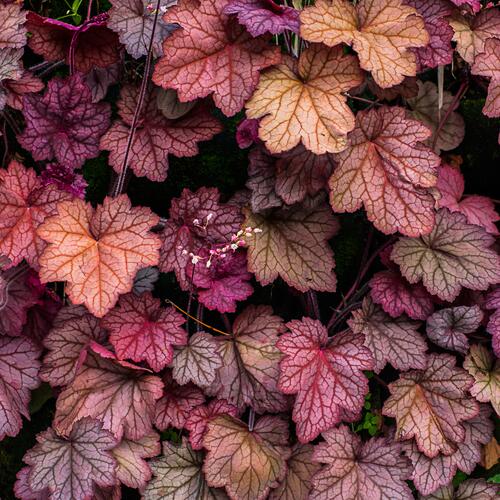
As we have mentioned, there is a wide range of plants, flowers and produce you can grow that thrive in a colder or shadier environment. You can also grow these plants during warmer seasons, as long as they are placed in a darker spot. This gives your garden the chance to house a range of plants and flowers that do well in different environments, all in one place.
Better water retention
Because there is no direct exposure to the sun, your plants and soil do not get any direct heat, which means the water in the soil and the plants themselves does not evaporate as quickly as it usually would. As an added bonus, because they retain water so well, you will not need to water them as frequently, saving you a lot of time and effort.
Low maintenance
One of the best attributes of shade-loving plants is that they are low maintenance. As we stated before, these plants do not need as much watering, which will save you oodles of time. One thing we do suggest is that you water the soil bed thoroughly before adding the mulch; this way you will ensure the moisture is properly retained.
Fewer weeds
Finally, we know that a plethora of plants love the sun, and weeds are no exception. Weeds are far more prone to grow during warmer weather in sunny spots in your garden. So, during the winter, when it is a little gloomier and the strength of the sun is lower, you will see fewer weeds sprouting in your garden. This will not only keep your garden looking fresh but also save you the effort of weeding too frequently.
Garden Design Ideas
Fresh turf
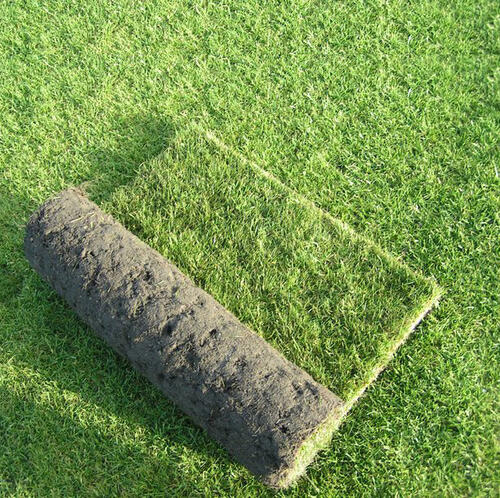
Autumn is the perfect time to lay fresh turf, so once the season starts to get colder you will have fresh green turf alongside a whole host of plants that thrive in colder, shadier weather. Your garden will look vibrant and blooming until next spring, easily.
Garden borders
Adding plants around the garden as borders is a simple yet effective idea to instantly level up your garden. This way, you are creating an attractive feature surrounding your garden with fresh plants that will complement your patio or soft landscaping perfectly.
