


A family favourite with a variety of uses, this long, orange vegetable is one of the easiest vegetables to grow and usually thrives in cooler weather, so it is best planted in either spring or autumn. There are many varieties of carrot you can grow, and not all are actually orange; some varieties include white, yellow and even purple carrots! These vegetables need plenty of deep space to grow, so planting them in vegetable beds is ideal.
What you will need:
Carrot seeds
Rake (ideally)
Wessex® Fruit & Veg Topsoil
Wessex® Peat Free Multi-Purpose Compost
Find a suitable bed
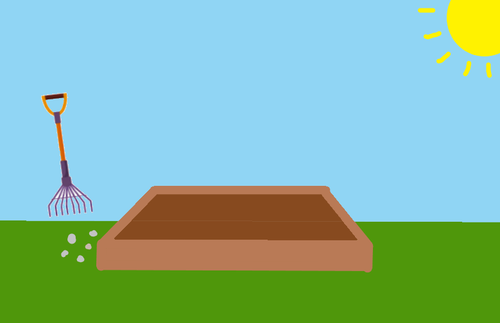
Carrots can be grown in deep plant pots, in the ground or in raised vegetable beds. Find a sunny spot in the garden that catches the sun's rays for the majority of the day. Ideally, you will need to till this area to around 18 inches deep into a fine soil, picking out any stones or other debris you find. This is important as it prevents obstruction of the growing roots and stops the carrots forking. A good mixture of well-rotted compost (or your own kitchen compost) and healthy topsoil makes a perfect bed for growing carrots. A sandy soil is better for carrots than a clay or silty soil.

Begin to sow
Once you have chosen your planting spot, mark out the rows in which you want to sow your carrots, using the other end of your rake as a guide. These only need to be half an inch (1cm) deep, with the rows around 6 inches (15cm) apart from each other. Sprinkle the small carrot seeds along the marked areas and gently draw the soil back together to cover them. As carrot seeds are so small, you could even mix them with sand and use the sand to sprinkle the seeds, ensuring they are fairly evenly spread.

Water and weed
Keep the soil moist with frequent, shallow watering. As the carrots' green heads start to sprout, make sure you are watering at least once a week to a depth of an inch. When you check the moisture in the soil, it should be moist up to your middle knuckle; if it feels too dry, water for a little longer to make sure it is reaching the roots. You may also start to see small weeds coming through. It is important to remove these so your carrots are not sharing their nutrients with pesky weeds. Gently pull out the weeds, being mindful not to disturb your carrot roots.
Thin out
Be patient with your carrots; sometimes they take around 2 to 3 weeks to show any signs of life. Once your carrots are coming through and have reached around an inch tall, gently thin them out by spacing each plant around 3 inches apart. As an option, to retain moisture and keep too much direct sunlight off the roots, you can spread a thin layer of mulch on top of the soil.
Harvest your carrots
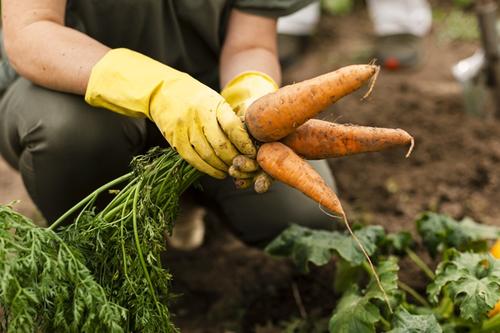
Carrots usually take 8 to 12 weeks to fully mature. You will know when they are ready to be pulled because the tops start to poke through the soil by around 1 to 2 inches. They can be pulled out by hand, though some larger varieties may need a fork to lift them. Fresh carrots should ideally be stored in airtight bags in the fridge, as simply leaving them loose in the fridge can cause them to go limp.
Tuck in and enjoy!
Enjoy your carrots roasted, boiled or steamed alongside your Sunday roast. Alternatively, eat them as a snack by cutting them into batons and dipping in houmous, or grate them into a crunchy salad.
