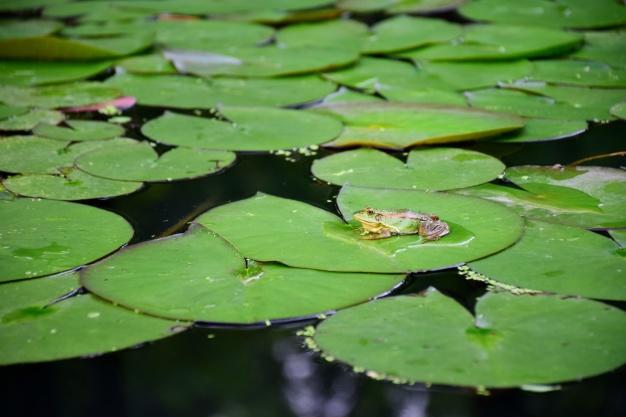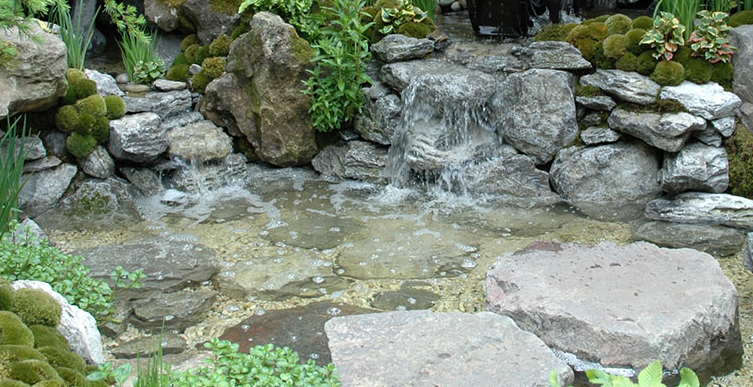
A pond in the garden is a great addition that can be tailored exactly to your liking, surrounded by beautiful decorative stones or left to grow naturally as it pleases. By adding a pond to your garden, you are encouraging a wider variety of wildlife into your garden, and could even be helping endangered species.
Creating a pond can be as complex as you make it. Equally, it can be very easily done and take just a couple of hours to create, with minimal equipment needed. This is a great activity to get the kids involved with, as it does not take too much time or strength to complete. Once the pond has been left for a few weeks, it is also a great way to teach little ones all about the animals that will find a home there.
What you will need:
Large spade
Spirit level
Bricks or large stones
Scissors
Water (ideally rainwater)
PVC or butyl pond liner
String or rope
Tape measure
Step 1
Find the best place for your pond
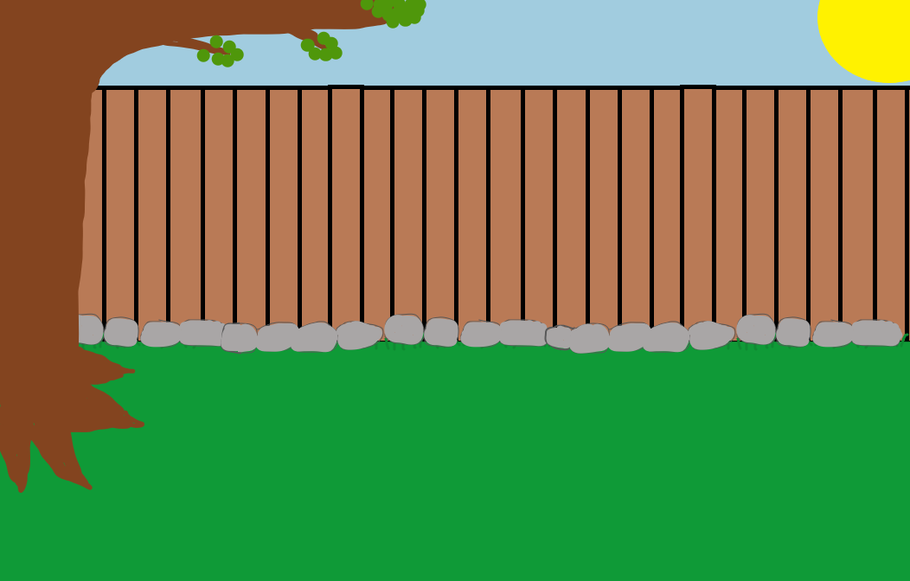
Choose a spacious spot in your garden that spends a lot of time in sunlight. It is also best to choose a spot with no overhanging trees, to prevent the pond filling with leaves. Some people like the idea of a raised pond so it is easier to see into; in this example we will be creating a pond at ground level.
Step 2
Mark out your pond
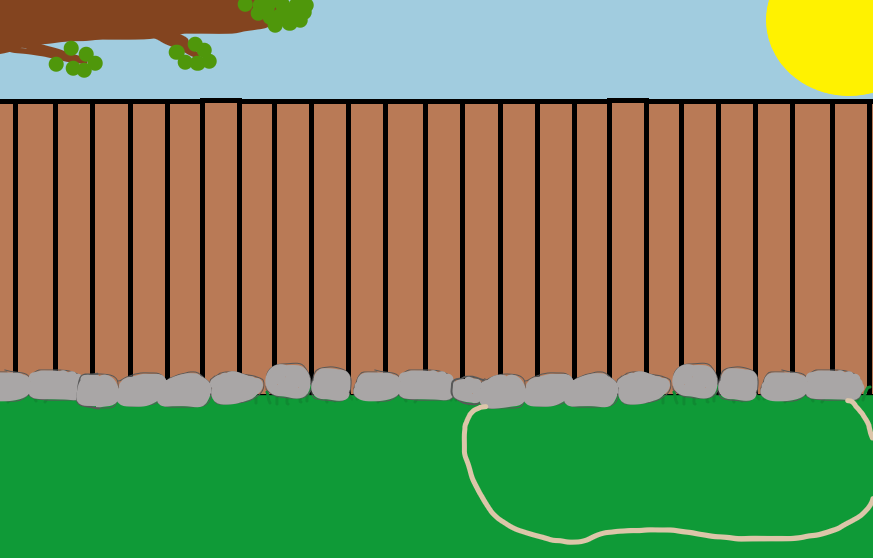
Using a piece of rope or string, mark out where you would like your pond to go. This can be any shape you like, but a good idea is to give it some rounded curves.
Step 3
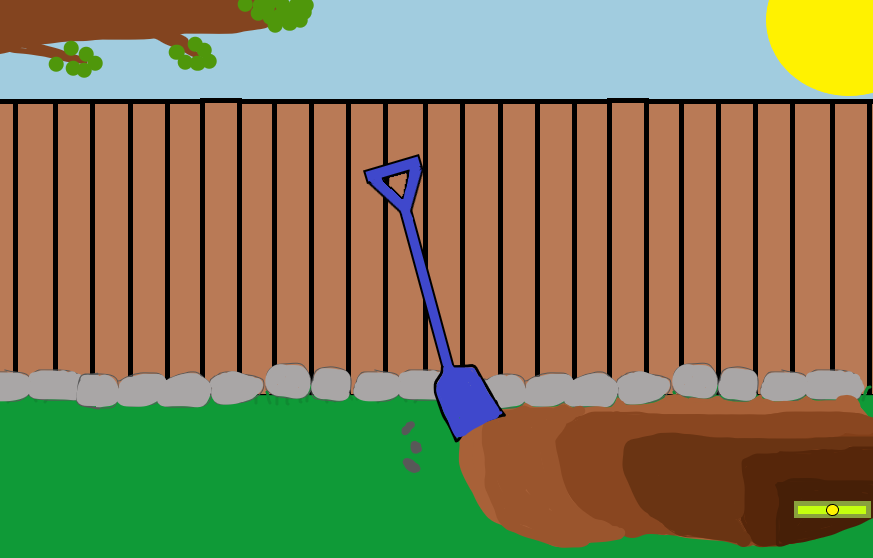
Dig away turf
Ensure all the turf has been dug up, using your rope or string as a guide. Begin to dig out your hole, removing any soil or debris. It is best to start at the centre and work your way out, and try not to dig out soil only to fill it back in again. While digging, make sure you leave some shallow edges to create different levels within the pond, which will attract different types of wildlife. Once this is roughly dug out, use your spirit level to check the hole is level. This ensures there are no deeper parts to your pond and prevents water running out from one side.
"The surface area of the pond should be at least 5 times the depth." - Charlie Says
Step 4
Raise the edges if necessary
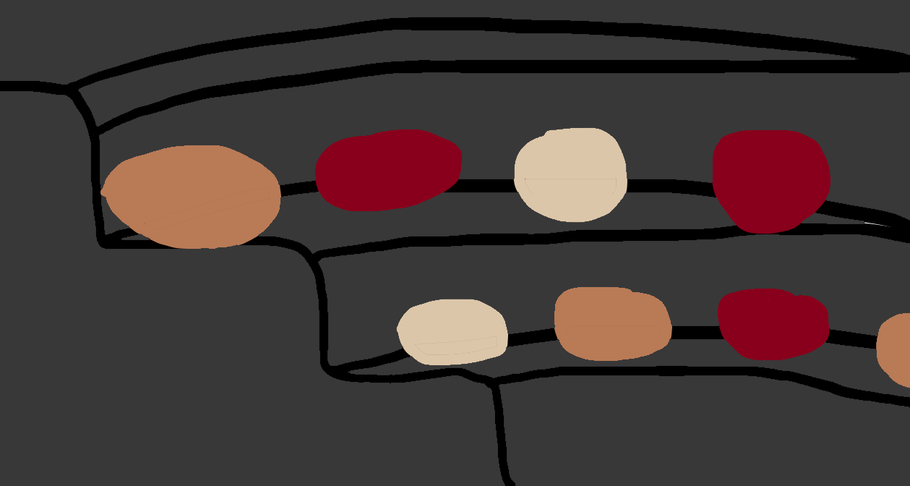
You may need to create a bank to give your pond more depth or to level the area out. You can do this by placing bricks or large stones around the outside and digging soil back on top of them. Dig out any extra soil to create the final pond space and measure the depth of your hole; the deepest part should be at least 50cm deep.
Step 5
Add pond liners
As an option, you can add a soft underlay pond liner to prevent stones or debris puncturing the PVC pond liner; old carpet can also be used for this. Add a PVC or butyl pond liner, pressing down on corners and edges to ensure the liner sits as close to the ground as possible. Slowly begin to fill with water, tightening the liner as you go. Using bricks or large stones for this part can make it easier.

Step 6
Fill with your desired amount of water
Once you are happy that the pond liner is sitting as close to the ground as possible, with few gaps, continue to fill your pond with as much water as you would like. Ideally you would fill it completely to the top; in this example, the water reaches ground level. If you have a water butt that has collected rainwater, it is best to use this for your pond, as tap water usually contains nitrates and chlorine. Once the pond has been filled, use scissors to trim off the excess liner.
Step 7
Choose pond plants
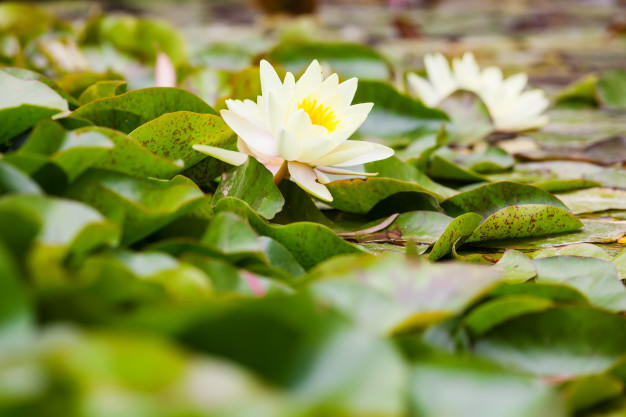
Most garden centres sell a variety of pond plants to make your pond look great and attract a range of creatures. Making sure the edges of your pond have soft plants and vegetation around them means that frogs and newts can easily get in and out.
Tweed Pebbles
Step 8
Decorate as you please
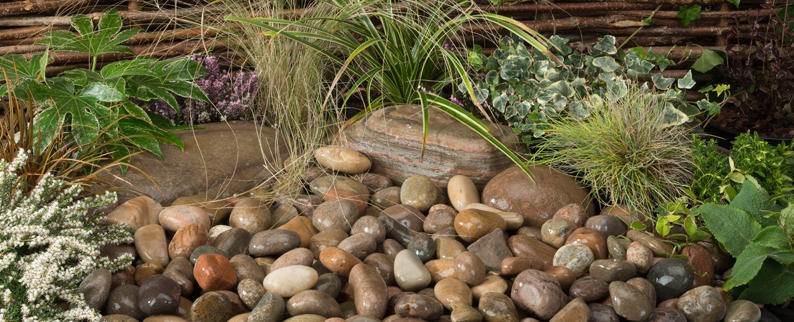
We have a huge range of decorative stones that are fish friendly and look stunning in and around ponds. Our pebbles and rockery make great features next to ponds; customers have created beautiful streams using Scottish pebbles, golden gravel and Purbeck rockery.
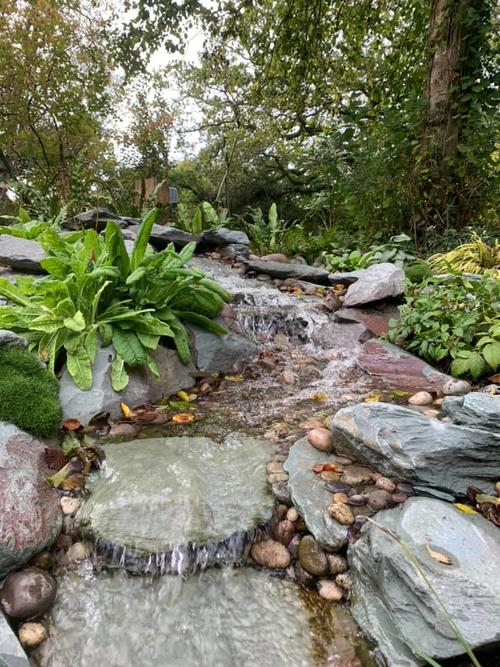
Scottish Cobbles
Step 9
Step back and observe
It takes just a few weeks for your new pond to become a haven for all kinds of creatures. Some visitors you will probably encounter are newts, frogs and dragonflies!